
TR2050 APAC Reward Lab update – March 2026
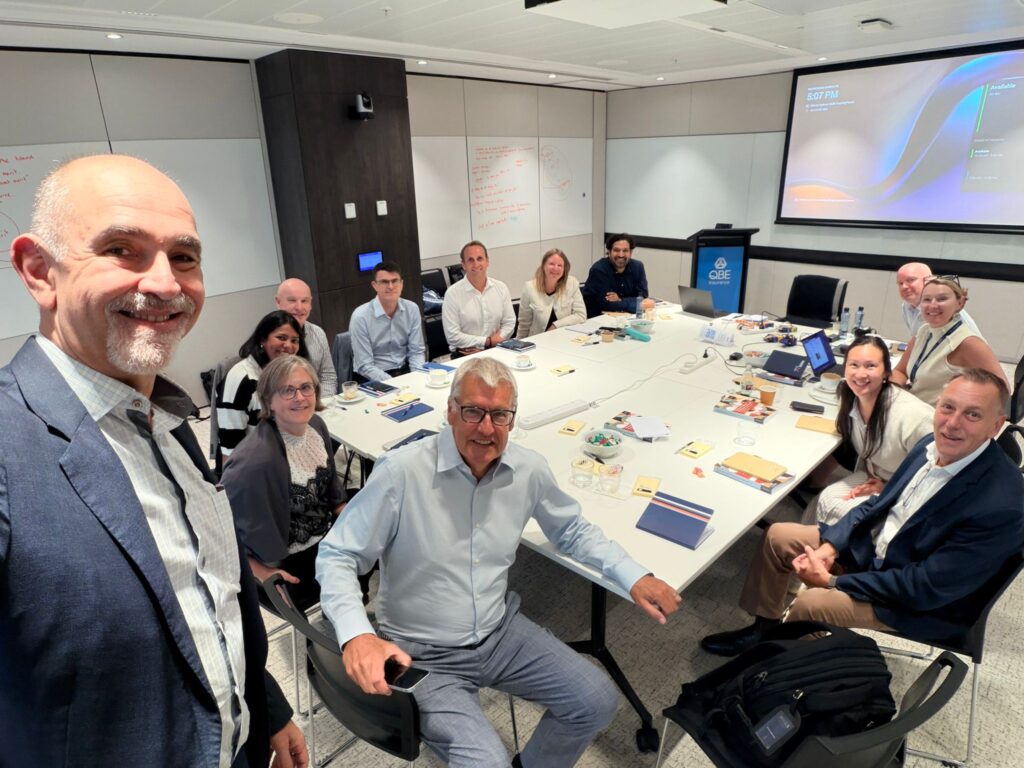
The APAC Reward Lab in Sydney brought together senior reward leaders across two days to examine the pressures reshaping reward design and to move from discussion toward evidence.
The constraint facing organisations is not ideas. It is building evidence that stands up to CFO and CEO scrutiny. Five consistent pressures set the context for the work: skills changing faster than job structures; rising expectations on pay transparency; growth of gig and non-FTE workforces; weak linkage between pay and real contribution; and AI already embedded in knowledge work. The role of the Lab is not to debate these pressures, but to test practical responses to them.
Four key themes shaped the two days.
Merit pay and skill-based pay
There was clear alignment that merit pay has become largely a hygiene factor rather than a true driver of performance, and that it is increasingly constrained by transparency and equity pressures. The emerging direction separates the signals in reward design, with base pay, variable pay, and progression each carrying a distinct purpose. Key questions remain around how skills are valued, assessed, and updated over time and the group agreed on concrete next steps to test and measure different approaches.
Performance management and motivation
The discussion went beyond incremental adjustment. A core issue is that most performance management models try to do too much at once, combining evaluation, development, and pay decisions into a single process. The direct link between pay and ratings was seen as weakening feedback quality and limiting honest conversations. There was also a notable shift in thinking on what actually drives motivation and how organisations should be measuring it.
Technology, AI, and reward infrastructure
There is a significant gap between the volume of reward technology available and what organisations are actually able to use. Adoption is limited despite widespread vendor claims of AI capability, held back by overpromising tools, poor data quality, and rigid job structures. The group identified a focused set of high-value use cases and reached a clear view on what needs to happen at both a market level and within TR2050 to close that gap.
Recognition versus incentive ROI
Recognition delivers outcomes that pay alone cannot particularly in building emotional connection, reinforcing values, and shaping behaviour. Non-monetary recognition was seen to have a more lasting impact than cash, with a strong link to culture, engagement, and overall experience. The challenge is proving return on investment, and the focus is on moving from assumption to evidence through structured pilots with measurable outcomes.
The future of work in the age of AI
Professor Marylène Gagné of the Future of Work Institute examined how AI is already reshaping learning, hiring, and the structure of work and what that means for how organisations design roles, develop people, and make pay decisions. AI is not just changing jobs. It is reshaping organisational structures, career paths, and reward systems, requiring more deliberate design and a clearer balance between productivity, fairness, and long-term capability.
What comes next
Across all sessions, six priority areas emerged for members to take into structured pilots: merit redesign, skill-based pay, performance management redesign, recognition ROI, AI in reward, and incentive design. Pilots and tests are now underway.
The next Reward Lab takes place in Zurich.